

“Do Not Get Used to Hopelessness”:
Precarious Practices of Respect and Co-Existence under the Pressures of Urban Gentrification and Socio-Political Tensions
“Umutsuzluğa Alışma”:
Kentsel Soylulaştırma Baskıları ve Sosyo-Politik Gerilimler Ekseninde Kırılgan Yan Yana Durma ve Saygı Pratikleri
The photos and texts here are part of the final results of a research project that will be published as part of the upcoming book Performing Resilience: Intersectionality and Agonistic Solidarity for Another Turkey (Routledge, 2026), edited by Deniz Başar, Eylem Ejder, Pieter Verstraete. An early draft of this research was presented in the online conference named Theatres of Resilience: Navigating Censorship, Gender, Intersectionality in Turkey on 6 July 2022, organized by the same editorial team during the development of the book project.
Burada yer alan fotoğraf ve metinler, editörlüğünü Deniz Başar, Eylem Ejder ve Pieter Verstraete’nin üstlendiği Performing Resilience: Intersectionality and Agonistic Solidarity for Another Turkey (Direnişi Harekete Dökmek: Başka bir Türkiye için Kesişimsellik ve Çelişkiye Açık Dayanışma [Routledge, 2026]) kitabının bir parçası olarak yayınlanacak bir araştırma projesinin nihai sonuçlarının bir parçasıdır. Bu araştırmanın ilk taslağı, kitap projesinin geliştirilmesi sırasında aynı editör ekibi tarafından 6 Temmuz 2022’de düzenlenen Theatres of Resilience: Navigating Censorship, Gender, Intersectionality in Turkey (Direnişin Tiyatroları: Türkiye’de Sansür, Cinsiyet, Kesişimsellik Eksenlerinde Yön Bulmak) adlı çevrimiçi konferansta sunuldu.
- “Within dance culture, the sensorial can become a habit, a singular type of body can become the trope of ‘dancer’, and that body can choreographically explore the same questions again and again (particularly across the culture of mainstream, funded dance projects). Collaborating with other disciplines (such as architecture and engineering) offers new perspectives on the body in space purely by seeing one’s own practice through the values of another. Similarly, interdisciplinary inquiry with dance offers urban design alternative evaluations of bodies in space and time.” (Akinleye, 2021, 3)
- “Dans kültüründe duyusal olan bir alışkanlık haline gelebilir, tekil bir vücut tipi ‘dansçı’ klişesi haline gelebilir ve bu vücut aynı soruları koreografik olarak tekrar tekrar araştırabilir (özellikle ana akım, finanse edilen dans projeleri kültürü genelinde). Diğer disiplinlerle (mimarlık ve mühendislik gibi) işbirliği yapmak, kişinin kendi pratiğini bir başkasının değerleri üzerinden görerek mekandaki bedene dair yeni bakış açıları sunar. Benzer şekilde dansla ilgili disiplinler arası araştırma, kentsel tasarımda bedenlerin mekan ve zaman içinde alternatif değerlendirmelerini sunabilir.” (Akinleye, 2021, 3)
“Do Not Get Used to Hopelessness”: Precarious Practices of Respect and Co-Existence under the Pressures of Urban Gentrification and Socio-Political Tensions
By Deniz Başar and İnci Olgun
Map Visualization: Özge Türkü Mert and İdil Akyol Koçhan
Photo Credits: Çetin Ergand
Digital Exhibition Design: Dilek M. Yördem
“Umutsuzluğa Alışma”: Kentsel Soylulaştırma Baskıları ve Sosyo-Politik Gerilimler Ekseninde Kırılgan Yan Yana Durma ve Saygı Pratikleri ;
Yazarlar: Deniz Başar ve İnci Olgun
Harita Görselleştirmesi: Özge Türkü Mert ve İdil Akyol Koçhan
Fotoğraflar: Çetin Ergand
Dijital Sergi Tasarımı: Dilek M. Yördem
Our chapter speaks to the broader themes of neoliberalism, precarization, and solidarity; for which we will investigate how young talent without regular funding create art through their own means of solidarity and also negotiate the challenges of the urban space and socio-political tensions ingrained in the neighbourhoods that they create their works in. Our case study for this chapter is Çıplak Ayaklar Kumpanyası (The Barefeet Troupe), which is one of the first modern dance companies in Turkey. Here we argue that The Barefeet Troupe’s studio’s spatial dynamics are structurally informing their choreographic processes. We focus on this dynamic – as an urban planner and a performance scholar – to archive and analyze the foundations of place-making within the urban context; and its influences, echoes, subconscious continuities that bleeds into the dance practice itself.
The studio/performance space of Çıplak Ayaklar Kumpanyası is set up in the Tophane neighbourhood of Beyoğlu, which has a notorious reputation of lynching attacks on art galleries in the past two decades, along with cases like conservative newspapers targetting theatre artists who work in the neighbourhood, such as the 2009 targettings on Kumbaracı50 Theatre for hosting the biriken group’s play (written by Özen Yula) Lick But Don’t Swallow. Today, the acts of violence against artists by particularly the male locals of the surrounding neighbourhoods are motivated mainly by two things: a class-based rage fed by the anxieties of urban gentrification, and a socio-politically supported conservative rage against different lifestyles. Which is why at the moments of large-scale social raptures such as Gezi Park Protests in summer of 2013, the ensemble of The Barefeet Troupe temporarily became open targets, but despite all, continued their artistic life in the neighbourhood to this day.
Bu çalışma neoliberalizm, güvencesizlik ve dayanışma ağları gibi geniş temalara değiniyor. Bunu yaparken de genç sanatçıların düzenli finansal destekleri olmadan kendi dayanışma araçlarıyla nasıl sanat yarattıklarını araştırıyor. Aynı zamanda bu sanatçıların güvencesiz kentsel mekanın getirdiği zorluklar ile nasıl başa çıktığını ve eserlerini ürettikleri mahallelerde köklenmiş sosyo-politik gerilimleri nasıl işlerine yansıttıklarını inceliyor. Bu bölüm için örneğimiz Türkiye’nin ilk modern dans topluluklarından biri olan Çıplak Ayaklar Kumpanyası’dır. Çalışmamız kapsamında Çıplak Ayaklar Kumpanyası stüdyosunun mahalle ve fiziksel mekan ile tanımlanan dinamiklerinin yapısal olarak koreografik süreçlerini şekillendirdiğini savunuyoruz. Bir şehir planlamacısı ve performans uzmanı olarak, kentsel bağlamda özgün bir sanat kolektifine yer açma süreçlerini arşivlemek ve analiz etmek için bu mahalle-ilişkisellik-koreografik süreç üçgenine odaklanıyoruz; ve yaşam pratiklerinin dans pratiğine sızan etkilerini, yankılarını, bilinçaltı sürekliliklerini okumaya çalışıyoruz.
Çıplak Ayaklar Kumpanyası’nın performans-atölye alanı, son 20 yılda sanat galerilerine yönelik linç saldırıları ve muhafazakar gazetelerin mahallede çalışan tiyatro sanatçılarını hedef alması (2009’da Kumbaracı50 Tiyatrosu’da biriken grubunun Özen Yula’nın yazdığı Yala Ama Yutma adlı oyununa ev sahipliği yaptığı vakada olduğu gibi) gibi durumların yaşandığı Beyoğlu’nun Tophane semtinde yer almakta. Bugün, özellikle çevre mahallelerde oturan erkeklerin sanatçılara yönelik şiddet eylemleri temelde iki şeyden kaynaklanıyor: Kentsel soylulaştırma kaygılarından beslenen sınıf temelli bir öfke ve farklı yaşam tarzlarına karşı sosyo-politik olarak desteklenen muhafazakar öfke. Bu nedenle 2013 yazında Gezi Parkı Eylemleri gibi büyük toplumsal duygu patlamalarının yaşandığı zamanlarda, Çıplak Ayaklar topluluğu geçici olarak mahallede açık hedef haline gelmiş, fakat her şeye rağmen mahalledeki sanat yaşamını bugüne kadar sürdürmeyi başarmıştır.
2. “The means by which we notice and language our bodily experience becomes instrumental to the processes we use to understand ourselves, our neighbours and our environment (Lerman, 2011). The cartography of our understanding of the bodily experience directly maps the grace of ourselves in the city. How urban spaces unwrap themselves into the lives of the individuals who reside in them becomes the dance of the city.” (Akinleye, 2021, 4)
2. “Bedensel deneyimimizi fark etme ve dile getirme araçları, kendimizi, komşularımızı ve çevremizi anlamak için kullandığımız süreçlerde etkili olur (Lerman, 2011). Bedensel deneyim anlayışımızın haritacılığı, doğrudan şehirdeki varoluş meziyetimizin haritasını çıkarır. Kentsel mekanların, içinde yaşayan bireylerin hayatlarına nasıl dahil olduğu şehrin dansına dönüşür.” (Akinleye, 2021, 4)
3. “Conversations between dance-making and city-making practices involve looking at how accounting for the everyday bodily experience of movement of the city speaks to dance and through dance. Part of my interest in this is to explore the choreography of a new geography (McKittrick, 2006) by considering the poetics of female and non-white city bodies.” (Akinleye, 2021, 4)
3. “Dans yapma ve şehir kurma pratikleri arasındaki diyaloglar, şehrin günlük bedensel hareket deneyiminin dansa nasıl dönüştüğüne ve dans aracılığıyla nasıl ifade edildiğine bakmayı içerir. Bu konudaki ilgimin bir kısmı, kadın ve beyaz olmayan şehirsel bedenlerin poetikalarını dikkate alarak yeni bir coğrafyanın koreografisini (McKittrick, 2006) keşfetmektir.” (Akinleye, 2021, 4)
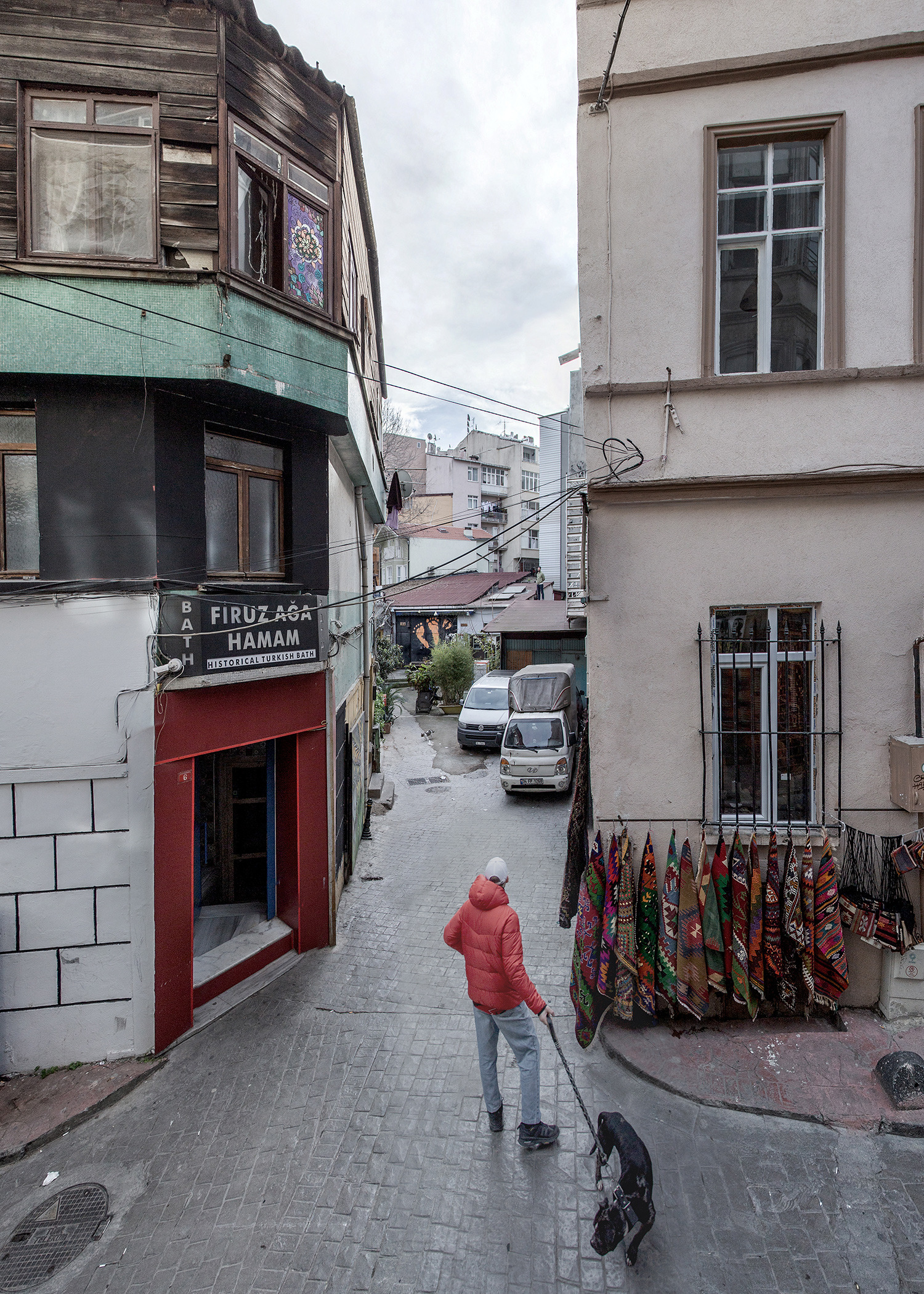
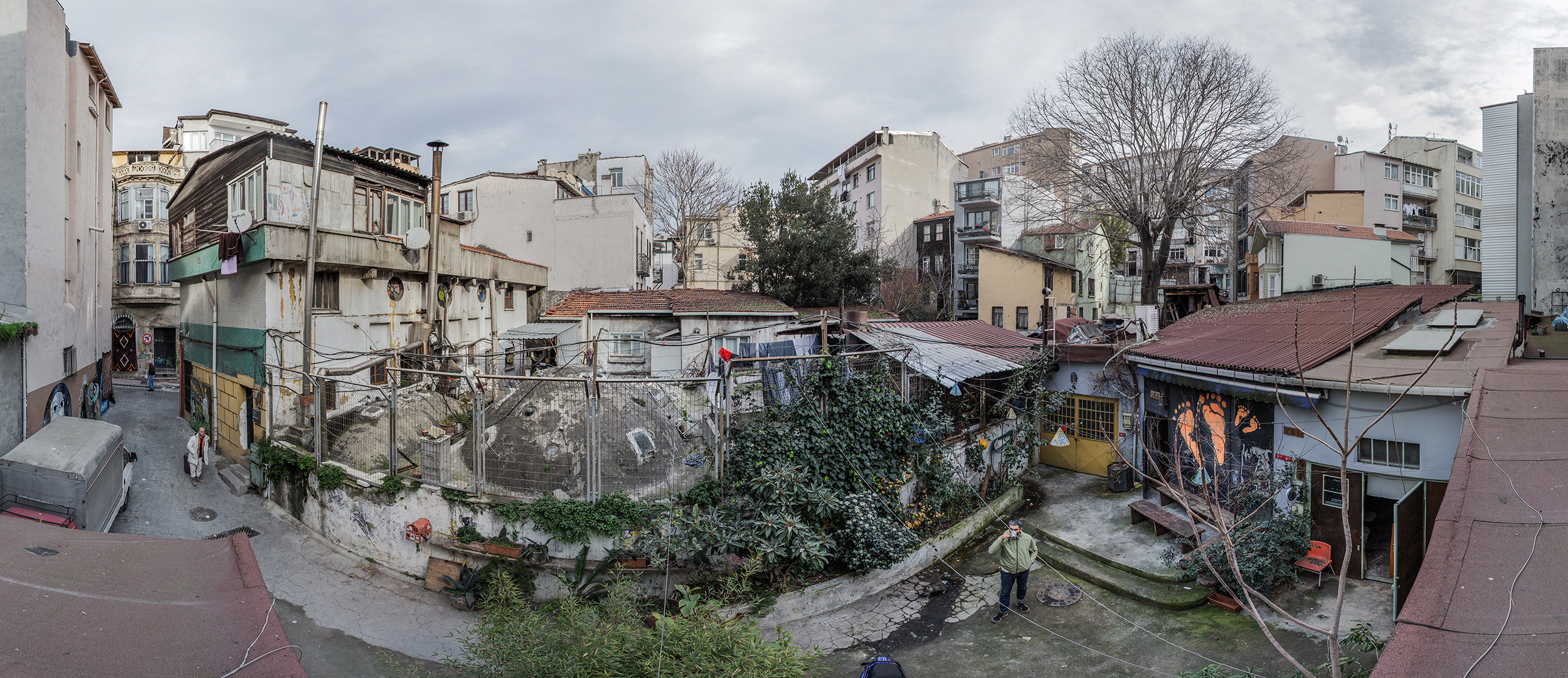
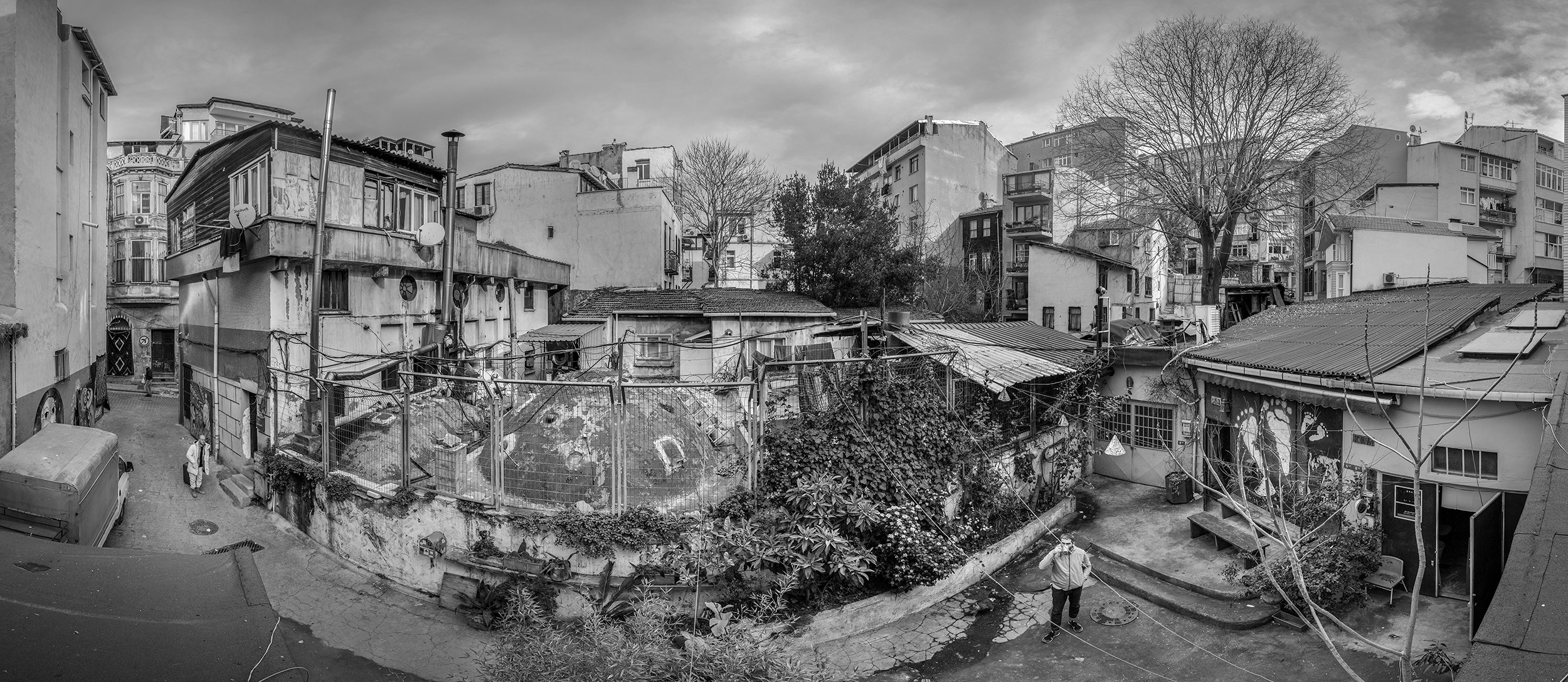
The Çıplak Ayaklar Kumpanyası’s studio/performance space is located in Beyoğlu district’s Tophane quarter, within the particular neighbourhood of Firuzağa. The studio is not mentioned even in the latest data collections of İstanbul Metropolitan Municipality as an arts and culture space; which locates the troupe in a visibly precarious set of relationships in relation to local authorities. This precarity – established due to both the ambiguous status of the studio space in relation to the city development plans, and also because of the masculinist /conservative tensions within the neighbourhood – keeps the performance-workshop space of the troupe as an underground art creation center despite its committed community of followers and supporters since 2007.
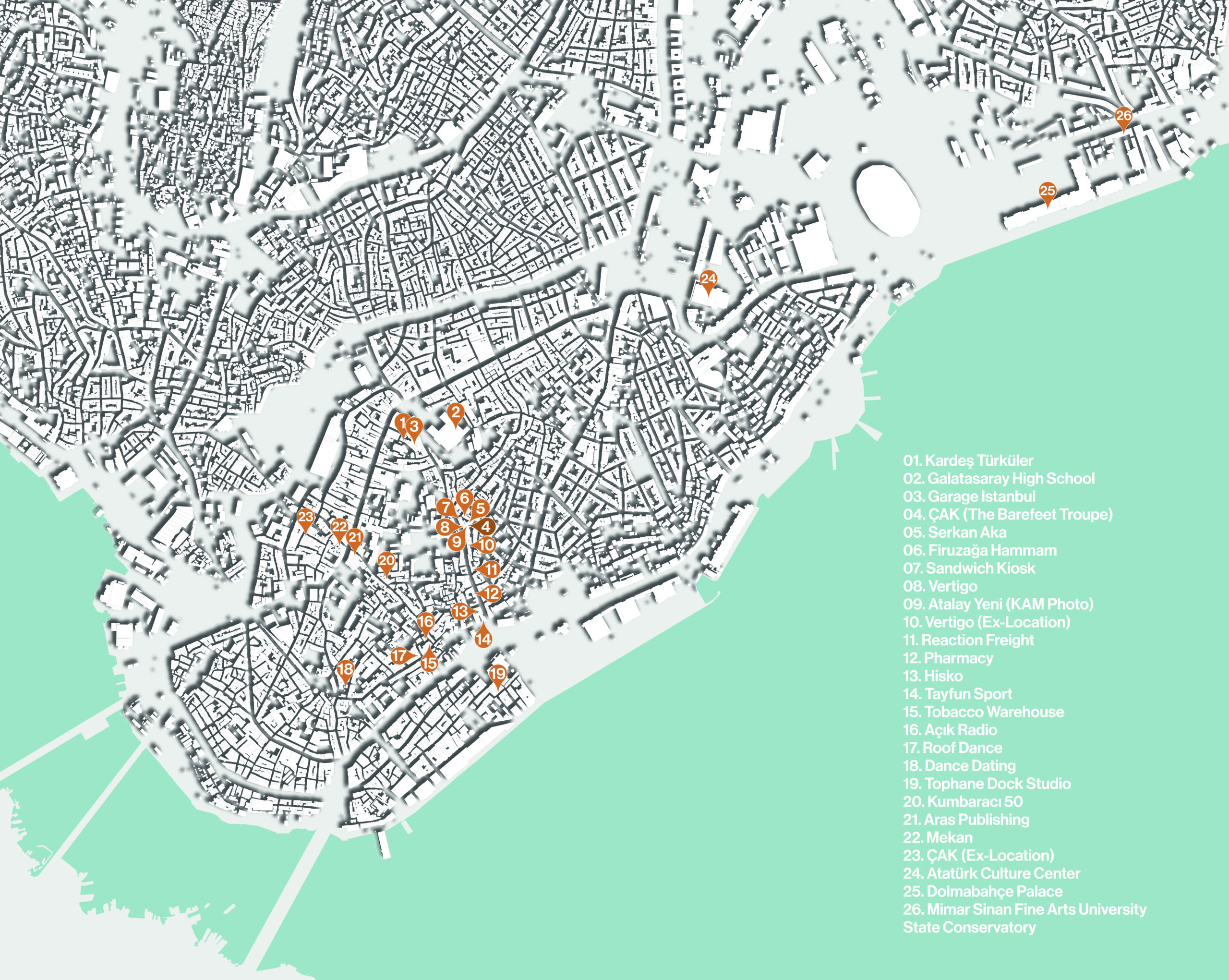
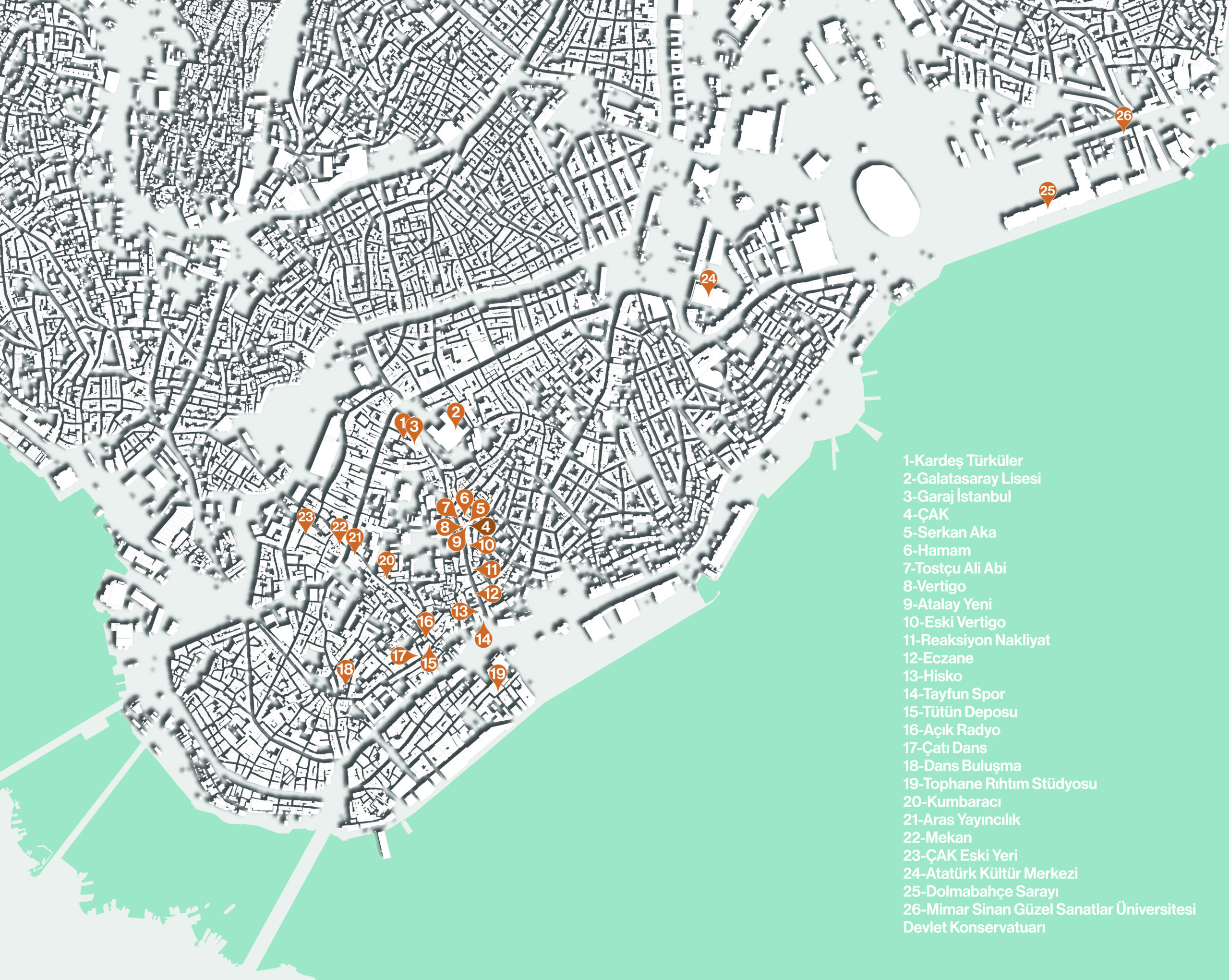
For the purposes of this article we interviewed Mihran Tomasyan, one of the main founders of the group; and conducted spatial analysis through mapping the information Tomasyan provided us and also conducted photo-analysis based on the photos of Çetin Ergand. What we will share here is snippets of our work, through the mapping of Tomasyan’s interview and Çetin Ergand’s photos, which we pair with quotes from influential studies that guided our analysis.
Çıplak Ayaklar Kumpanyası’nın performans-atölye alanı Beyoğlu ilçesinin Tophane semtinin Firuzağa mahallesinde yer alıyor. Stüdyonun, İstanbul Büyükşehir Belediyesi’nin son veri derlemelerinde bile bir kültür-sanat alanı olarak adı geçmiyor; bu da kolektifi yerel otoritelerle ilişkilerinde gözle görülür derecede güvencesiz bir konuma yerleştiriyor. Hem stüdyo mekânının şehir imar planlarına göre muğlak statüsünden, hem de mahalle içindeki eril/muhafazakar gerilimlerden kaynaklanan bu güvencesizlik, topluluğun performans-atölye mekânını neredeyse underground(/yeraltı) bir sanat yaratım merkezi haline getiriyor. Bu durum 2007’den bu yana topluluğun istikrarlı bir takipçi ve destekçi kitlesi olmasına rağmen böyle devam etmekte.
Bu yazının amacı doğrultusunda grubun ana kurucularından Mihran Tomasyan’la bir röportaj gerçekleştirdik; Tomasyan’ın bize sağladığı bilgileri haritalandırarak mekansal analizler yaptık, bunun yanı sıra Çetin Ergand’ın fotoğraflarına dayanarak mekanla ilgili foto-analizler yaptık. Burada size sunacaklarımız çalışmamızın bir bölümü: Tomasyan’ın röportajı üzerinden yaptığımız harita çalışması, Çetin Ergand’ın fotoğrafları, ve çalışmamıza yön veren dans çalışmaları alanındaki alıntılar.
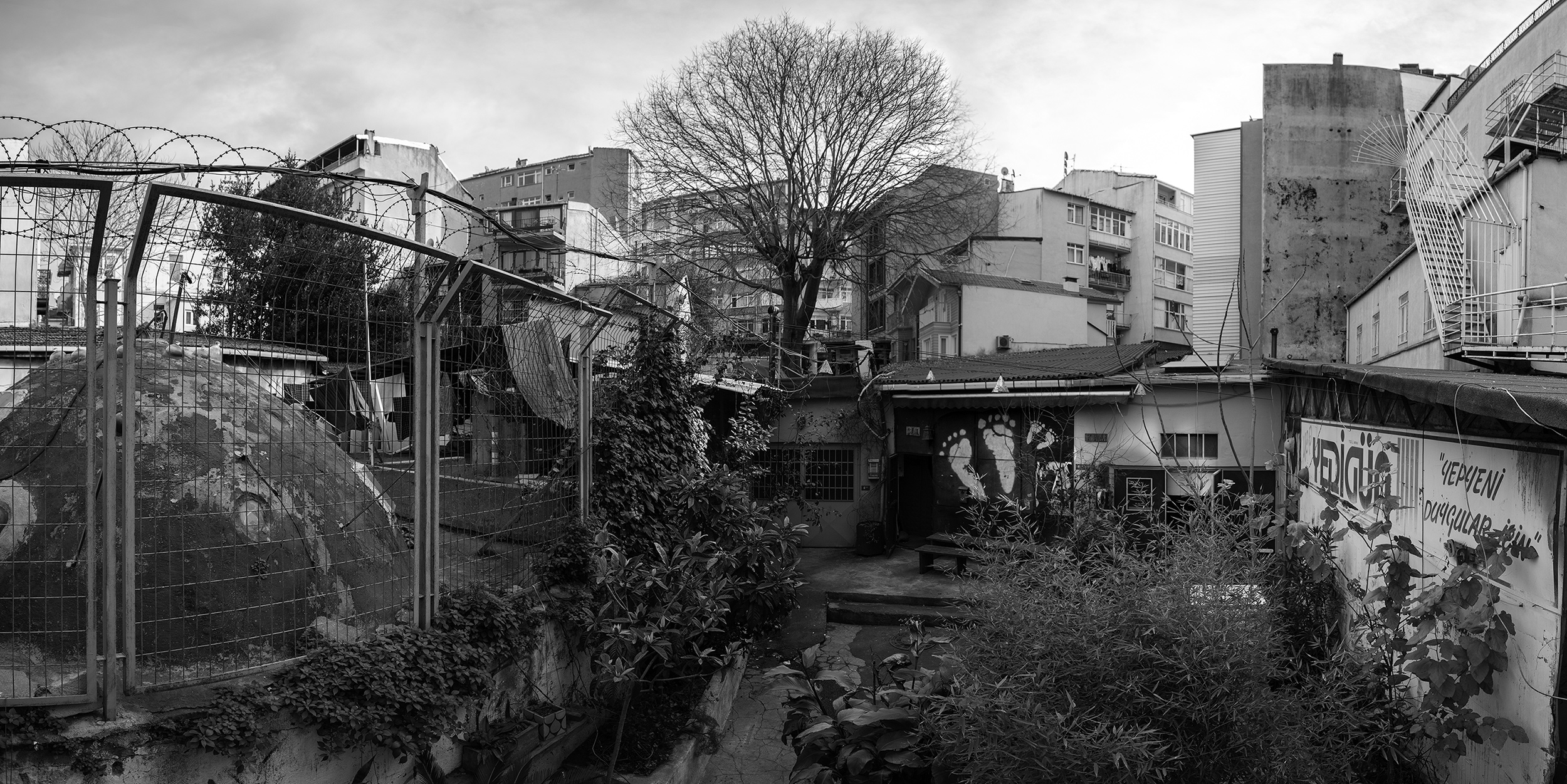
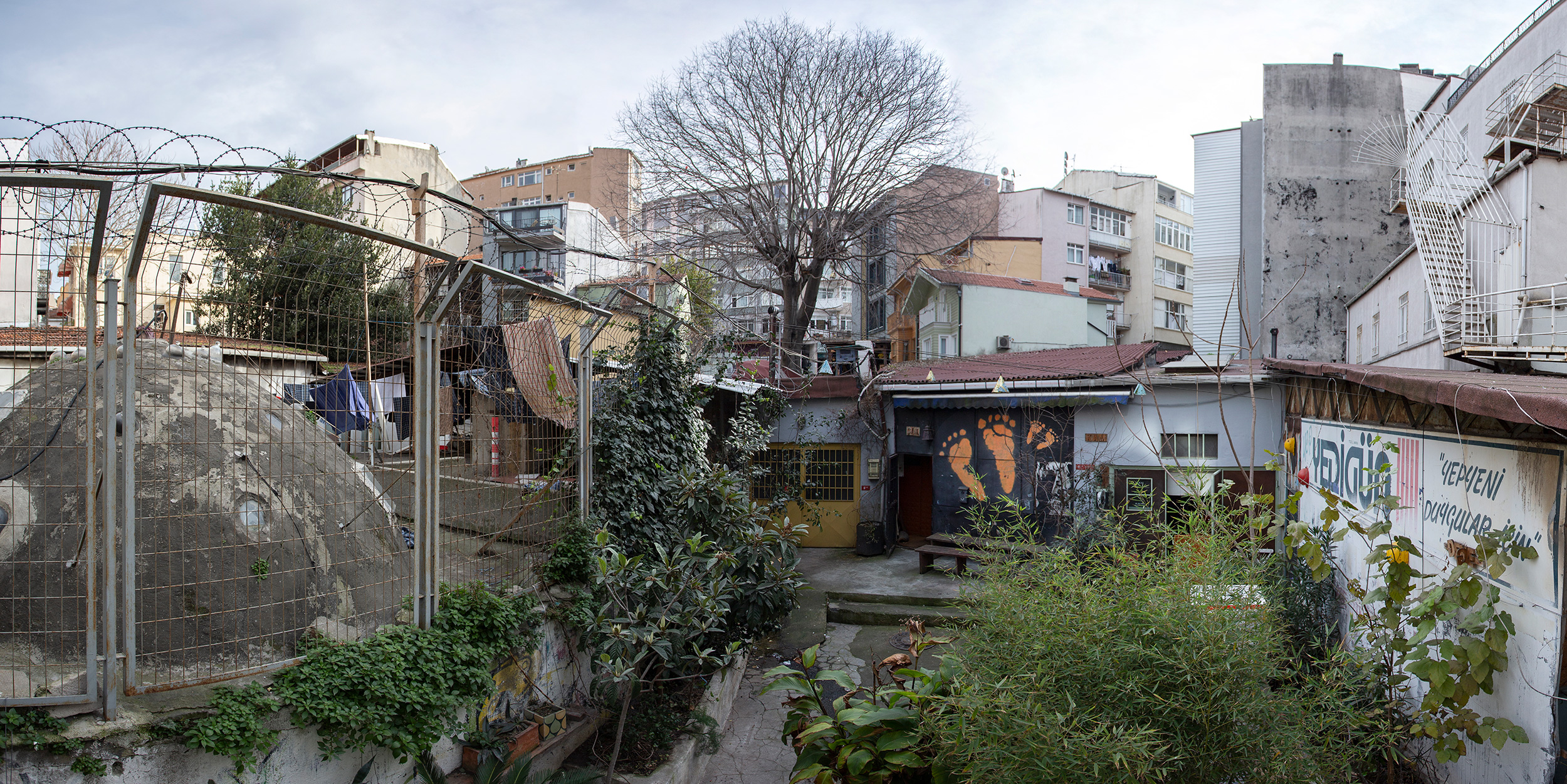
4. “Yet dance also makes its own politics, crafts its own pathways and agency in the world, moves us toward what we imagine to be possible and desirable.” (Martin, 2011, 29)
4. “Ancak dans aynı zamanda kendi politikasını da yaratır, dünyada kendi yollarını ve aracılığını yaratır, bizi mümkün ve arzu edilebilir olduğunu hayal ettiğimiz şeylere doğru yönlendirir.” (Martin, 2011, 29)
5. “An ensemble that manufactures a social body that releases its own excess, that orients practical accomplishment toward itself, this expansive sense of the social that exists in and for itself, grounds a socialism that issues from the loins and beads of sweat made in movement together.” (Martin, 2011, 29)
5. “Kendi fazlasını toplumsal bir beden olarak üretebilen, pratik başarıyı kendine yönlendirebilen bir topluluk, kendi içinde ve kendisi için var olan geniş bir toplumsallık duygusu oluşturur, ve birlikte hareket halinde olmaktan oluşan boncuk boncuk terlerden kendi sosyal kollektivitesinin temelini atar.” (Martin, 2011, 29)
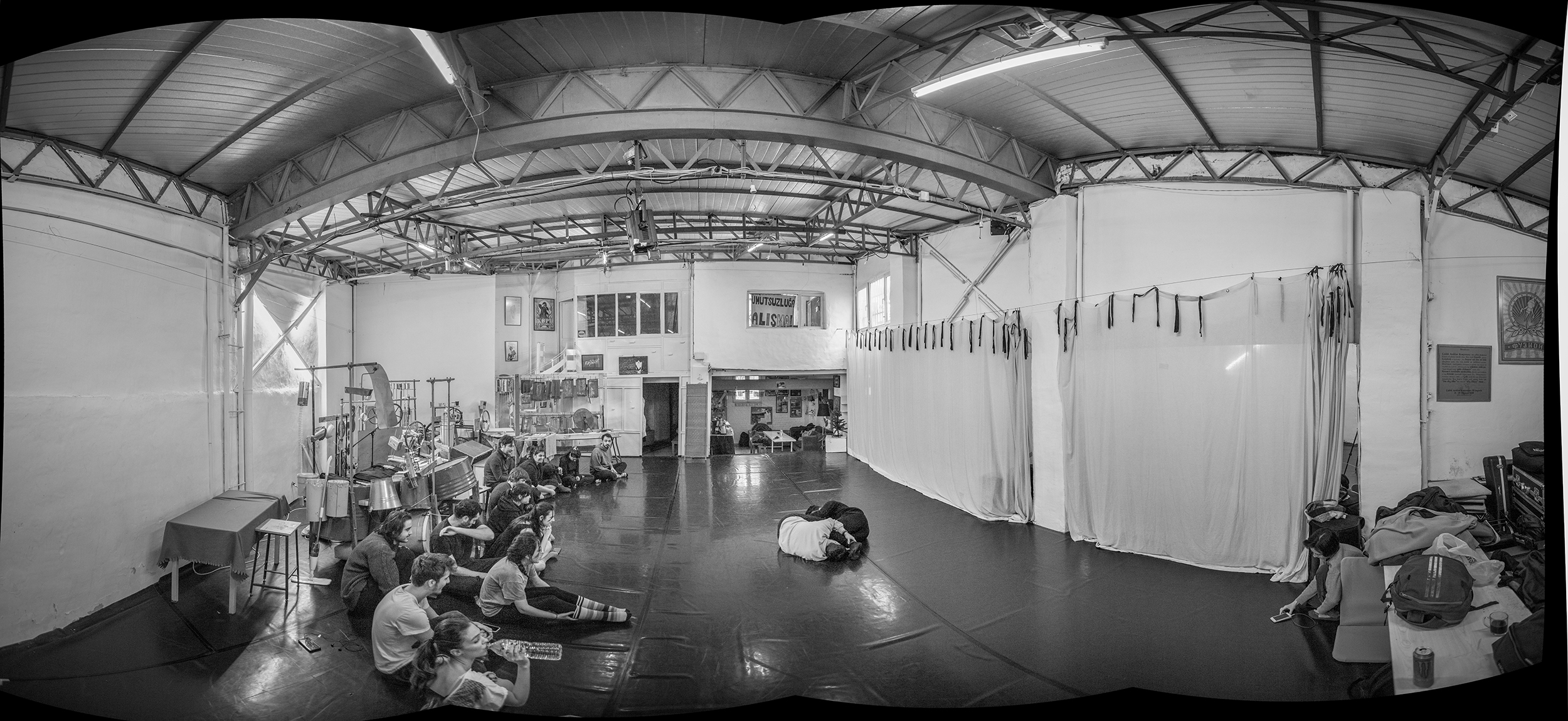
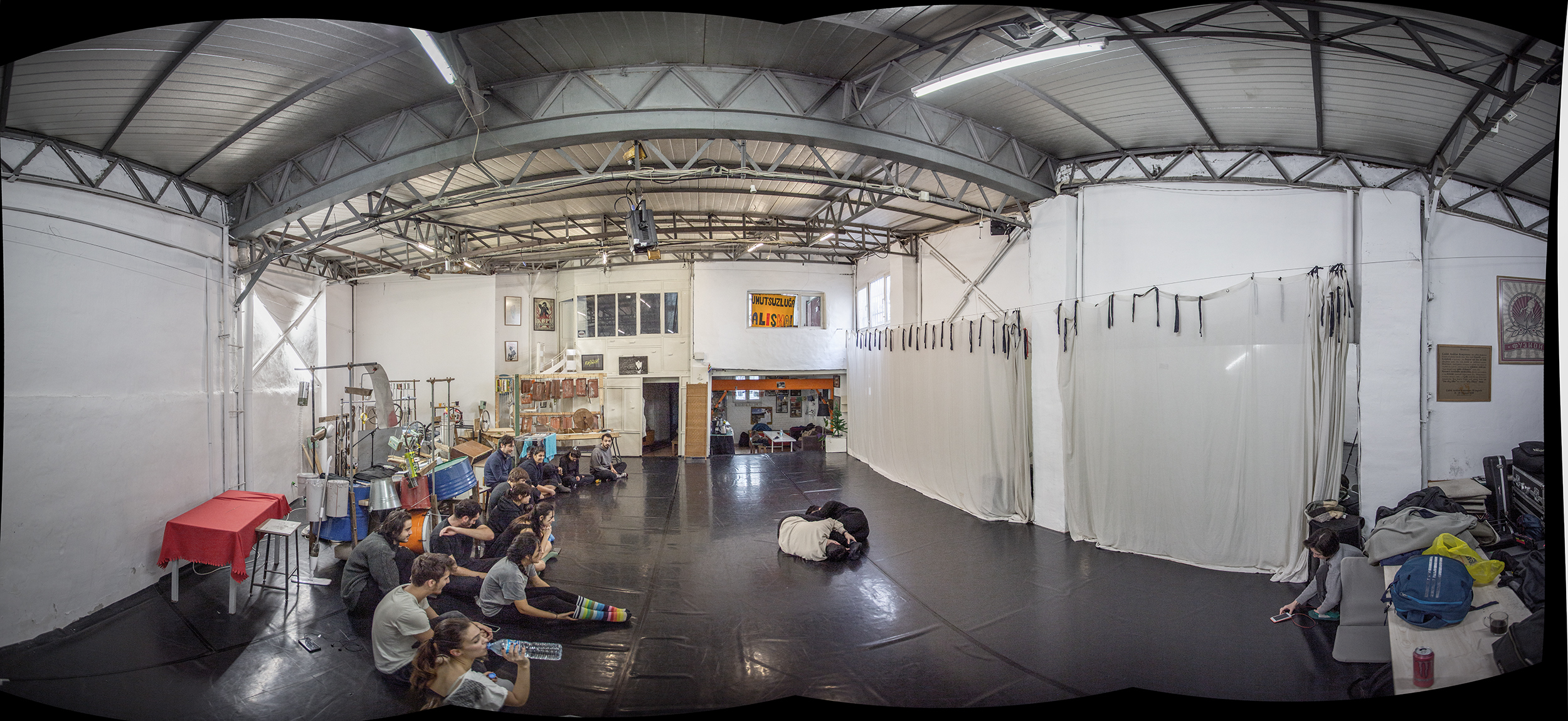
6. “Dance moves into a space but also makes room out of what it inhabits, invites gatherings of publics and enhances their capacities to pay attention, give audition, conduct kinesthetic effects and affects elsewhere (cf. Savigliano 1995).” (Martin, 2011, 42)
6. “Dans bir mekana doğru hareket eder ama aynı zamanda içinde olduğu yerde de yeni bir alan açar, kamusal toplantılara vesile olur ve insanların dikkat etme, seçim yapma, kinestetik etkiler yaratma ve başka yerlerdeki etkilerini gerçekleştirme kapasitelerini geliştirir (karşılaştırma için bkz. Savigliano 1995).” (Martin, 2011, 42)
Photographs / Fotoğraflar
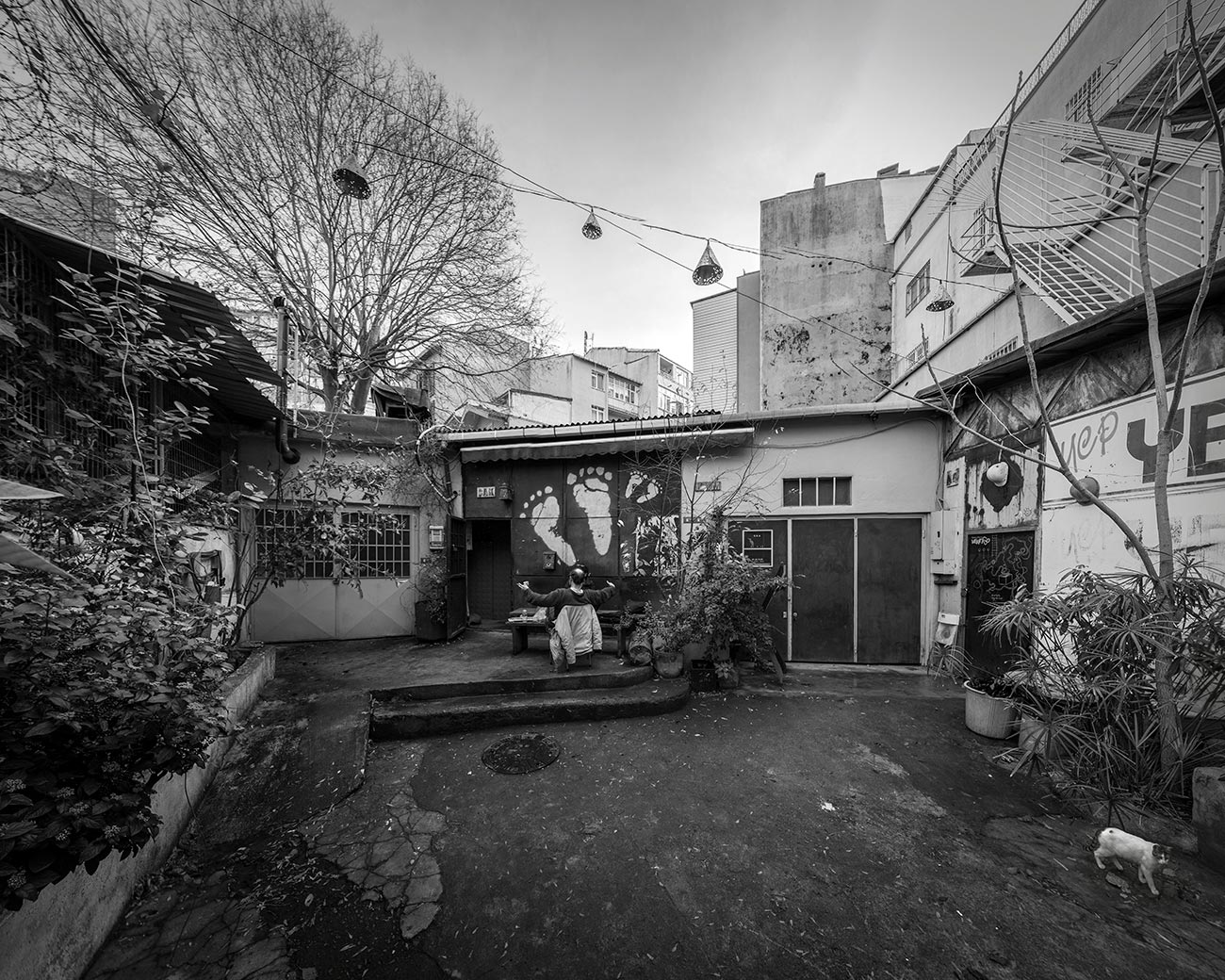
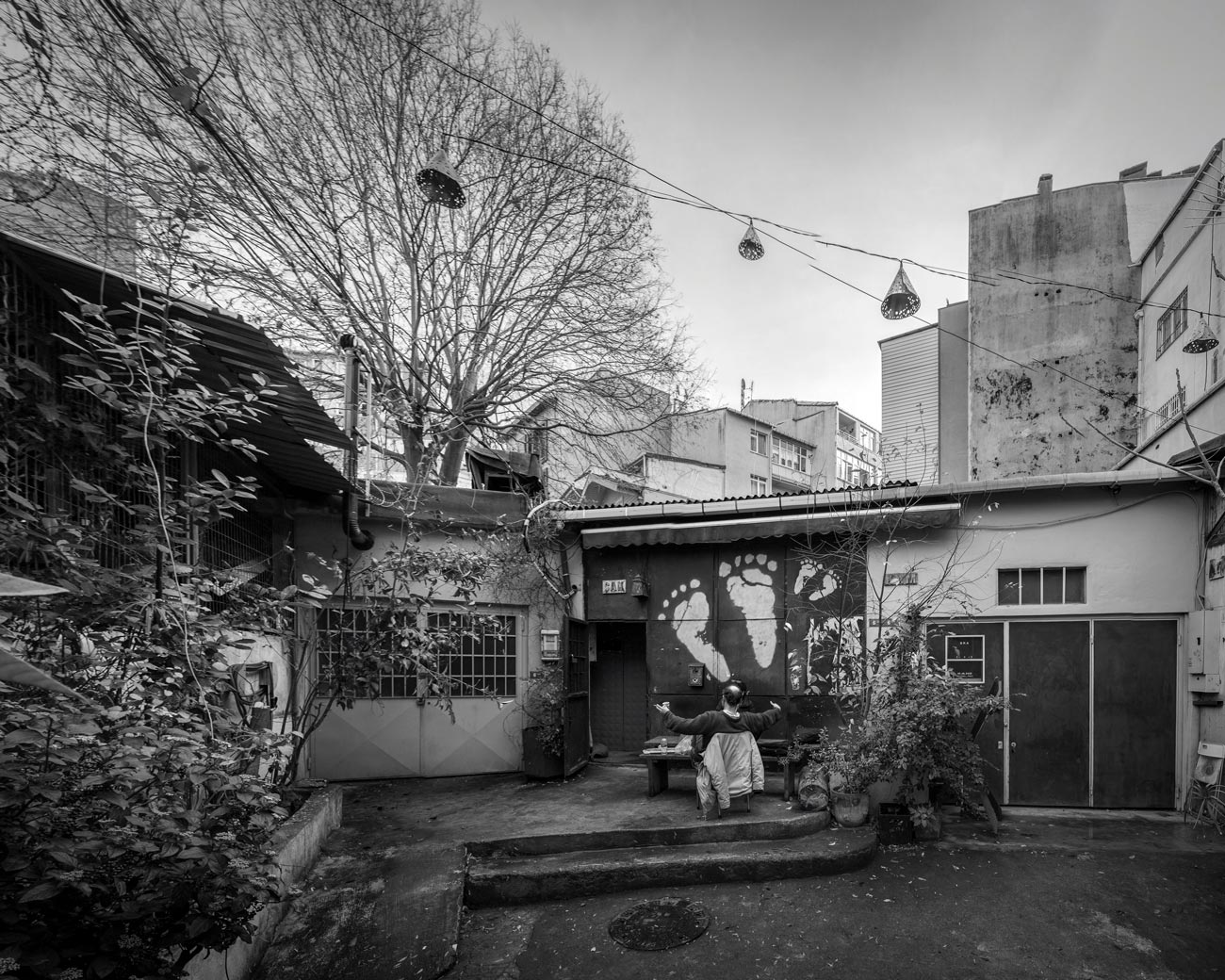
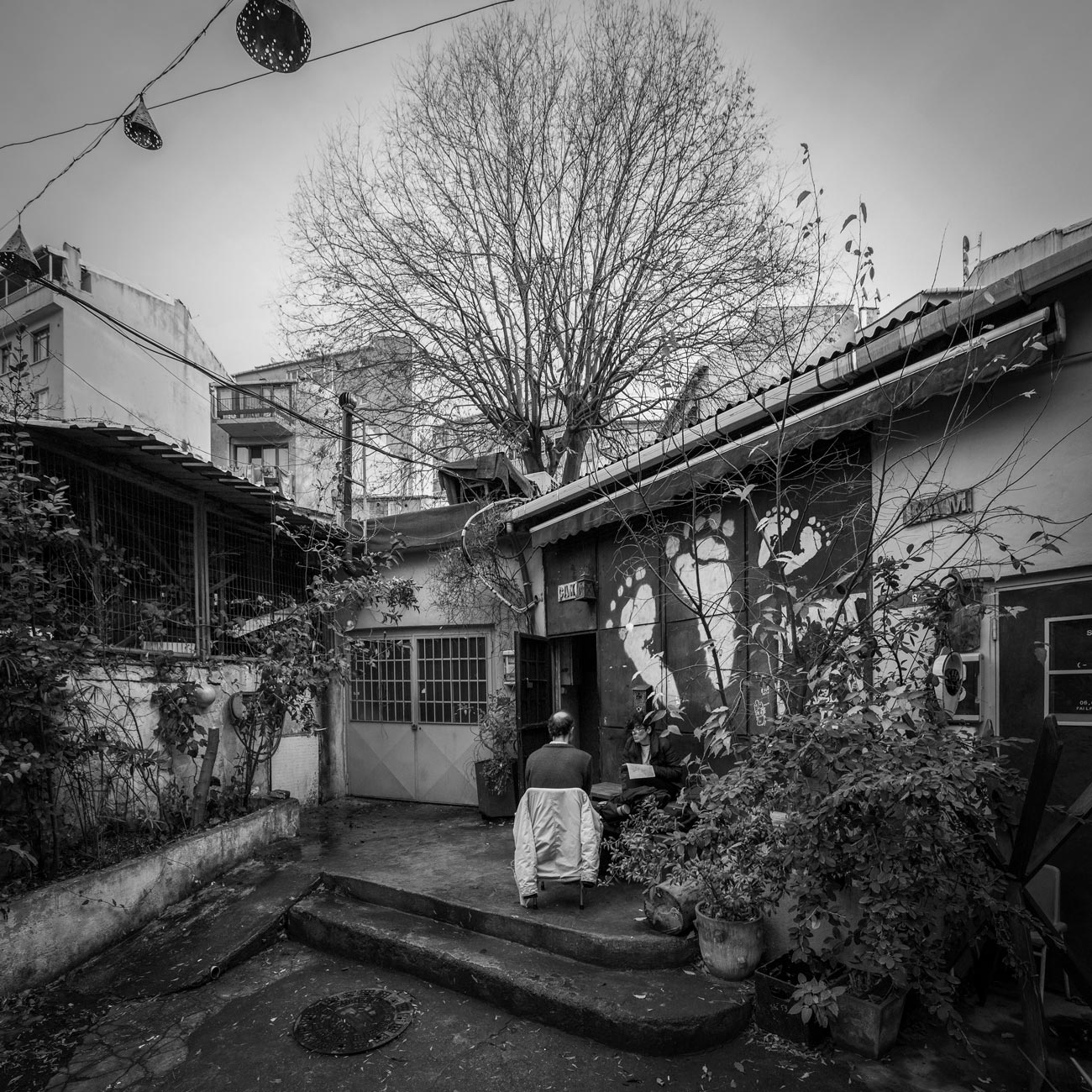
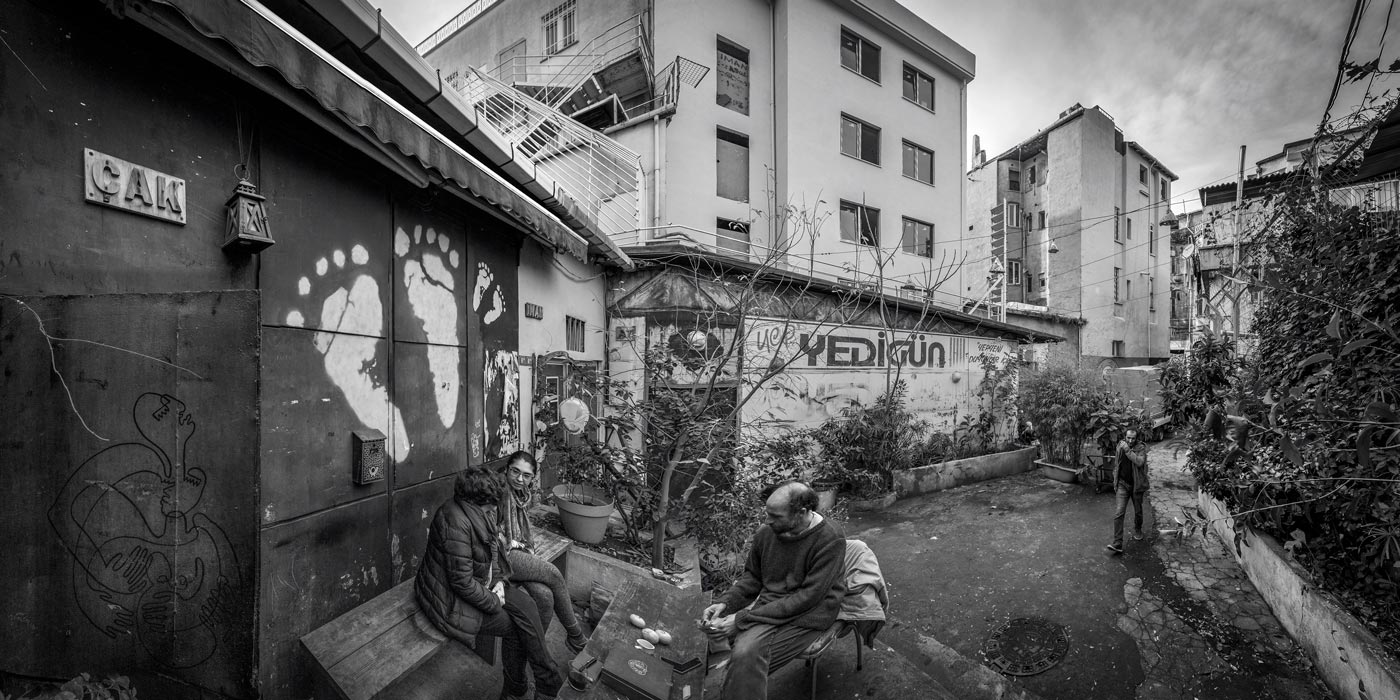
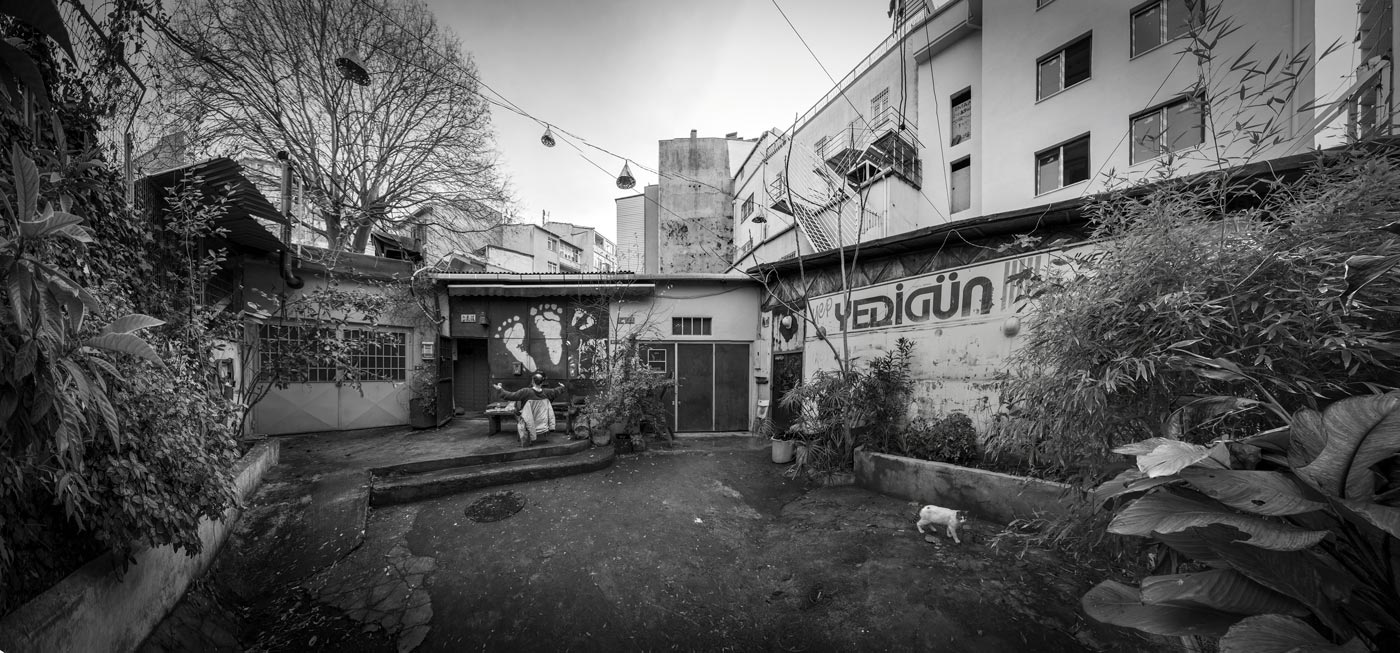
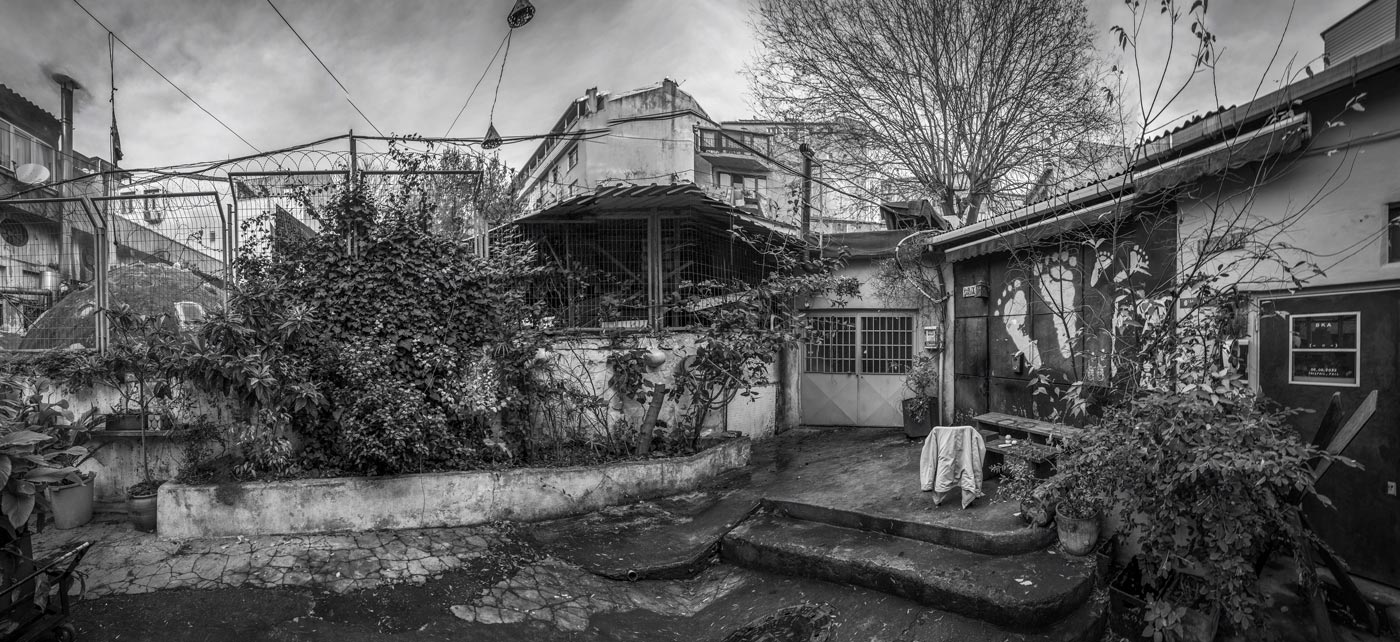
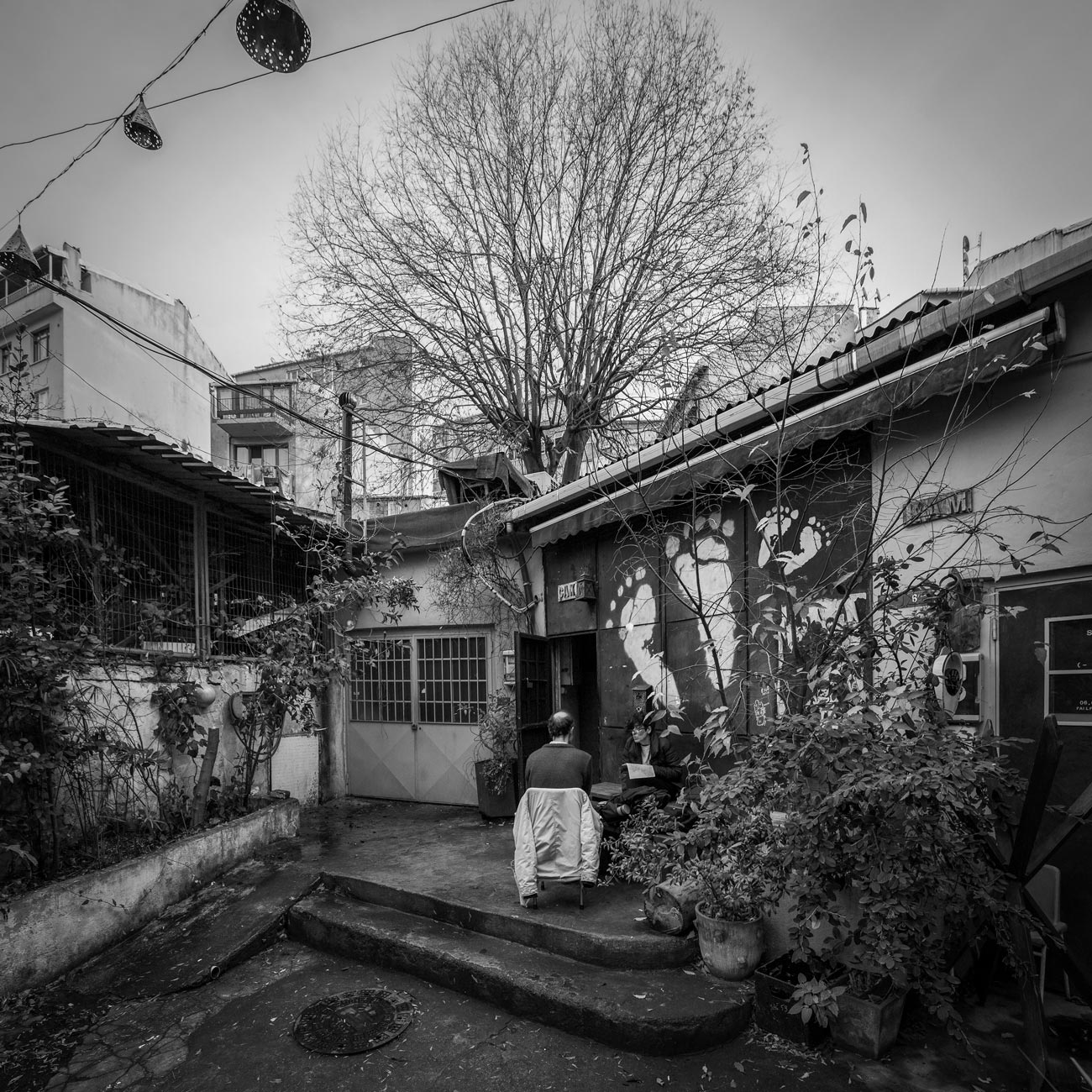
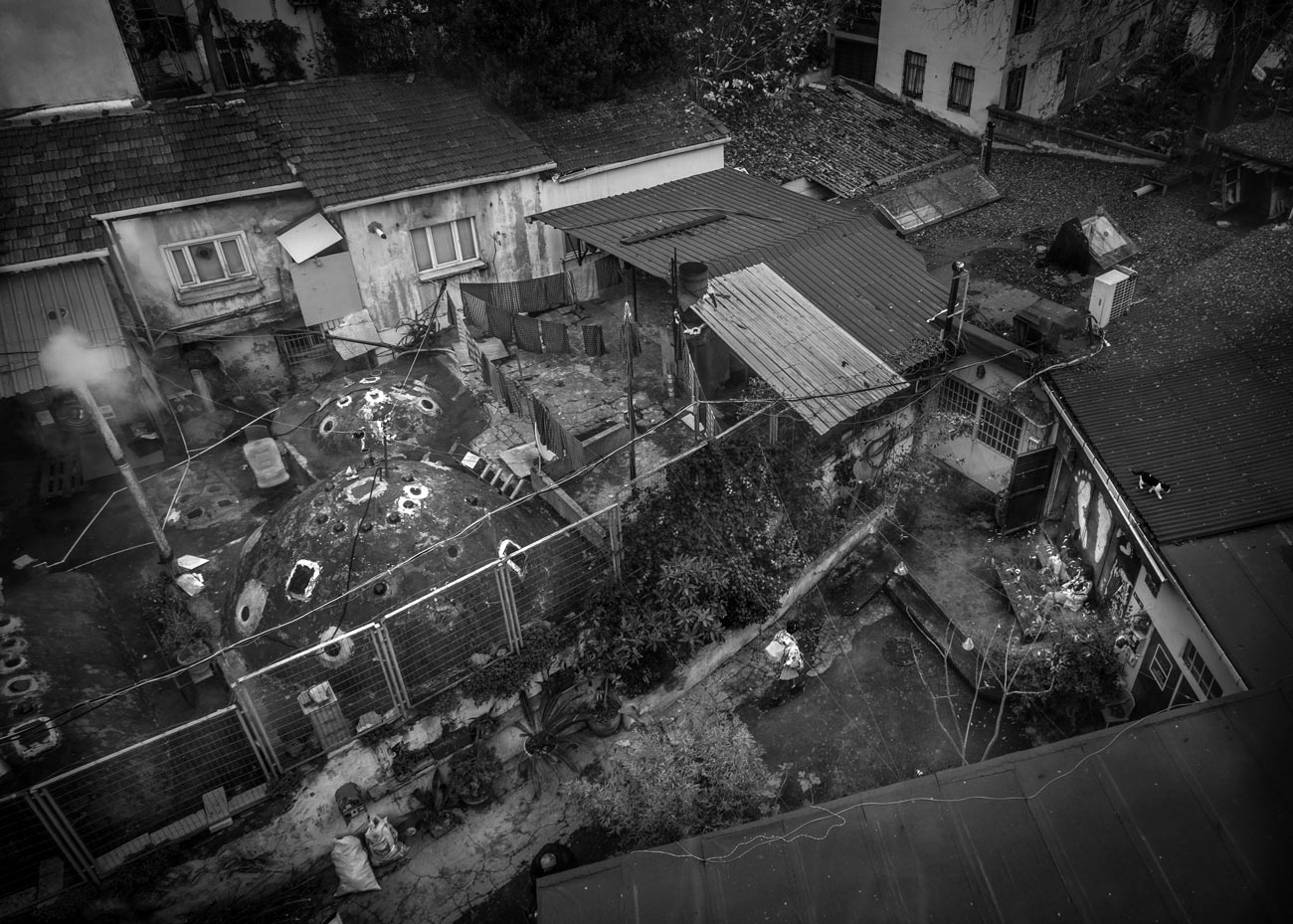
(C) 2023 Tasarım Rehberleri- Çetin Ergand (VR Panorama ve Fotoğraflar)
Maps / Haritalar
Works Cited
Akinleye, Adesola. Dance, Architecture and Engineering. London, Bloomsbury Academic, 2021.
Martin, Randy. “Between Intervention and Utopia: Dance Politics.” Emerging Bodies, edited by Sandra Noeth and Gabriele Klein, Bielefeld, Transcript Verlag, 2011, pp. 29-46.
Lerman, Liz. Hiking the Horizontal: Field Notes from a Choreographer. Wesleyan UP, 2011.
Savigliano, Marta. Tango and the Political Economy of Passion. Boulder, Co.: Westview Books, 1995.
McKittrick, Katherine. Demonic Grounds: Black Women And The Cartographies Of Struggle. University of Minnesota Press, 2006.
Kaynakça
Akinleye, Adesola. Dance, Architecture and Engineering [Dans, Mimarlık ve Mühendislik]. London, Bloomsbury Academic, 2021.
Martin, Randy. “Between Intervention and Utopia: Dance Politics.” [“Müdahale ile Ütopya Arasında: Dans Politikası”.] Emerging Bodies [Ortaya Çıkan Bedenler], editörler: Sandra Noeth ve Gabriele Klein, Bielefeld, Transcript Verlag, 2011, sf. 29-46.
Lerman, Liz. Hiking the Horizontal: Field Notes from a Choreographer. [Yatayda Yürüyüş: Bir Koreografın Saha Notları.] Wesleyan UP, 2011.
Savigliano, Marta. Tango and the Political Economy of Passion [Tango ve Tutkunun Ekonomik Politiği]. Boulder, Co.: Westview Books, 1995.
McKittrick, Katherine. Demonic Grounds: Black Women And The Cartographies Of Struggle. [Şeytani Zeminler: Siyahi Kadınlar ve Mücadelenin Kartografileri] University of Minnesota Press, 2006.
News / Haberler
30.09.2026
Kentin Köpüğü on Yer Yüzleri, on Apaçık Radyo!
On Yer Yüzleri, we talked about Istanbul’s changing art spaces over the past twenty years and the relationships these spaces have developed with their neighbourhoods. We discussed how small and independent venues began to emerge and multiply in and around Beyoğlu from the late 2000s onwards, and why a significant number of them have since disappeared. How does an art space transform the neighbourhood in which it is located? As artists often produce under precarious conditions, at what point in the process of urban transformation can they themselves become agents of that transformation? Together with playwright, dramaturg, and theatre researcher Deniz Başar, whose work lies at the intersection of theatre, the city, and political performance, we took a closer look at Istanbul’s cultural and artistic landscape through the spaces and neighbourhoods that shape it.
Kentin Köpüğü was broadcast on Yer Yüzleri on Wednesday, 30 September, at 11:00 on Apaçık Radyo.
Visual: The visualisation of the map, based on an in-depth interview conducted by Deniz Başar and İnci Olgun with Mihran Tomasyan in 2022, was created by Özge Türkü Mert and İdil Akyol Koçhan.
Yer Yüzleri’nde Kentin Köpüğü Apaçık Radyo’da!
Bu hafta Yer Yüzleri’nde İstanbul’un son yirmi yılda değişen sanat mekânlarını ve bu mekânların mahallelerle kurduğu ilişkiyi konuştuk. 2000’lerin sonlarından itibaren Beyoğlu ve çevresinde ortaya çıkan küçük ve bağımsız sahneler nasıl çoğaldı, bugün neden önemli bir bölümü artık yok? Bir sanat mekânı bulunduğu mahalleyi nasıl dönüştürüyor? Sanatçılar, çoğu zaman güvencesiz koşullarda üretirken, kentsel dönüşümün hangi noktasında bu dönüşümün aktörlerine dönüşebiliyor? Tiyatro, kent ve politik performansın kesişiminde çalışan oyun yazarı, dramaturg ve tiyatro araştırmacısı Deniz Başar’la, İstanbul’un kültür-sanat haritasına biraz da mekânların ve mahallelerin içinden baktık.
Kentin Köpüğü, 30 Eylül Çarşamba günü saat 11.00’de Yer Yüzleri programında Apaçık Radyo’da yayınlandı.
Görsel: Deniz Başar ve İnci Olgun’un 2022 yılında Mihran Tomasyan’la gerçekleştirdiği derinlemesine röportajdan hareketle hazırlanan haritanın görselleştirmesi, Özge Türkü Mert ve İdil Akyol Koçhan tarafından yapılmıştır.
20.10.2025
ÇAK and Tophane: Precarity, Respect, and Co-Existence in Gentrifying Istanbul
“ÇAK and Tophane: Precarity, Respect, and Co-Existence in Gentrifying Istanbul” was presented as part of
Whose City? A Webinar Series on Theatre and Gentrification on 20 October 2025. “Whose City?” is a Webinar Series organized by the members of “Theatre and Gentrification in the European City”, a five-year research project funded by the European Research Council’s Consolidator Grant Program.
THEAGENT is an academic project focusing on theatre writ large, including theatre-going as a practice of urban subject formation, the aesthetic medium as a space for representing the urban, and the theatre itself as an institution. Combining ethnographic and archival research, the project will explore how theatre has shaped (and been shaped by) gentrification in five European metropoles: Istanbul, Warsaw, Berlin, Paris, and London.
For more information: https://www.oeaw.ac.at/projects/theagent/webinar/webinar-2025-26/deniz-basar-with-inci-olgun
ÇAK ve Tophane: Soylulaşan İstanbul’da Güvencesizlik, Saygı ve Birlikte Var Olma
“ÇAK and Tophane: Precarity, Respect, and Co-Existence in Gentrifying Istanbul” başlıklı sunum, 20 Ekim 2025 tarihinde gerçekleştirilen Whose City? A Webinar Series on Theatre and Gentrification başlıklı webinar serisinin bir parçası olarak sunulmuştur. “Whose City?”, Avrupa Araştırma Konseyi’nin (European Research Council – ERC) Consolidator Grant Programı tarafından finanse edilen, beş yıllık “Theatre and Gentrification in the European City” araştırma projesinin üyeleri tarafından düzenlenen bir webinar serisidir.
THEAGENT, geniş anlamıyla tiyatroya odaklanan akademik bir araştırma projesidir. Proje; tiyatroya gitme pratiğini kentsel özne oluşumunun bir biçimi olarak, estetik mecrayı kentsel olanın temsil edildiği bir alan olarak ve tiyatronun kendisini de bir kurum olarak ele almaktadır. Etnografik ve arşiv araştırmalarını bir araya getiren proje, tiyatronun Avrupa’nın beş metropolünde: İstanbul, Varşova, Berlin, Paris ve Londra’da soylulaşma süreçlerini nasıl şekillendirdiğini ve bu süreçlerden nasıl etkilendiğini araştırmaktadır.
Detaylı bilgi: https://www.oeaw.ac.at/projects/theagent/webinar/webinar-2025-26/deniz-basar-with-inci-olgun
11.10.2025
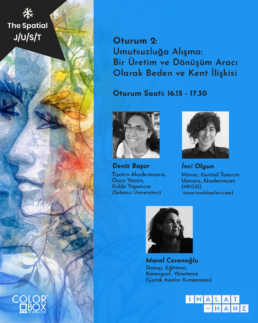
Utopias and Layeredness in the Light of Nature, New Materials and Tools Panel
On 11 October 2025, Deniz Başar, İnci Olgun, and Maral Ceranoğlu took part as speakers in the session titled “Don’t Get Used to Hopelessness: The Relationship Between Body and City as a Tool for Production and Transformation,” held as part of the “Utopias and Layeredness in the Light of Nature, New Materials and Tools” panel organised by The Spatial J/U/S/T Art and Design Collective at the İmalat-hane İMÇ Project Space.
The session explored the relationships between the body, the city, and space through processes of production and transformation. Drawing on the idea that space and nature are not merely physical sites, but layered structures continuously produced through social, ecological, and artistic processes, the discussion considered the possibilities of producing, thinking, and transforming together. The speakers discussed the relationship between the body, space, and the city as a means of production and transformation. A research project by İnci Olgun and Deniz Başar, featured on Tasarım Rehberleri, was presented, examining how artists respond to the challenges posed by urban space and how they reflect the socio-political tensions rooted in the neighbourhoods where they produce their work. As an example of the project, Maral Ceranoğlu from Çıplak Ayaklar Kumpanyası shared her experiences and observations, contributing valuable insights to the discussion.
For more information:
Doğa, Yeni Malzemeler ve Araçlar Işığında Ütopyalar ve Katmanlılık Paneli
11 Ekim 2025’te The Spatial J/U/S/T Sanat ve Tasarım Kolektifi’nin İmalat-hane İMÇ Proje Alanı’nda gerçekleştirdiği “Doğa, Yeni Malzemeler ve Araçlar Işığında Ütopyalar ve Katmanlılık Paneli” kapsamında düzenlenen “Umutsuzluğa Alışma: Bir Üretim ve Dönüşüm Aracı Olarak Beden ve Kent İlişkisi” başlıklı oturumda Deniz Başar, İnci Olgun ve Maral Ceranoğlu konuşmacı olarak yer aldı.
Oturumda beden, kent ve mekân arasındaki ilişkiler, üretim ve dönüşüm süreçleri üzerinden ele alındı. Mekânın ve doğanın yalnızca fiziksel alanlar değil, toplumsal, ekolojik ve sanatsal süreçlerle sürekli yeniden üretilen katmanlı yapılar olduğu fikrinden hareketle, birlikte üretmenin, düşünmenin ve dönüşmenin olanakları tartışıldı. Üretim ve dönüşüm aracı olan beden, mekân ve kent ilişkisi üzerine konuşuldu. İnci Olgun ve Deniz Başar’ın Tasarım Rehberleri’nde yer alan, sanatçıların kentsel mekânın getirdiği zorluklarla nasıl başa çıktıklarını ve eserlerini ürettikleri mahallelerde köklenmiş sosyo-politik gerilimleri işlerine nasıl yansıttıklarını inceleyen araştırma projesi paylaşıldı. Projenin örneği olan Çıplak Ayaklar Kumpanyası’ndan Maral Ceranoğlu değerli katılımıyla tecrübelerini ve gözlemlerini paylaştı.
Detaylı bilgi: